Pest Control for Winter Park Homeowners
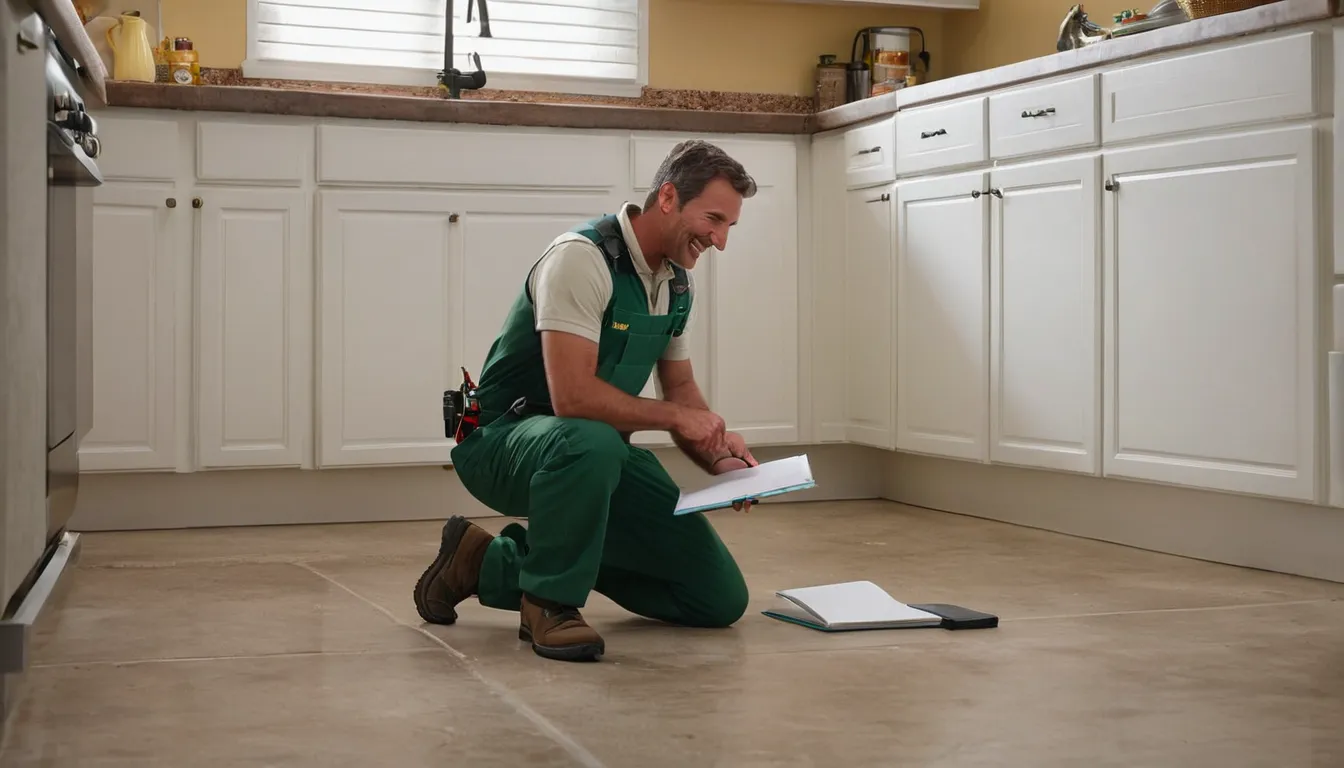
A few ants on the counter or a dropping behind the stove can look minor. In warm, humid weather, small signs often point to a nest, a moisture problem or a gap in the home. Pests breed fast when conditions suit them, so early action usually means a simpler fix.
Primarilybeast Pest Control is a referral service. We do not treat homes ourselves. We connect homeowners in the Winter Park area with independent providers in our network who inspect, identify the pest and carry out the treatment. This page explains the warning signs, what treatment involves, what it may cost and how to avoid common mistakes before you hire anyone.
Seeing Pests in Your Home? Start Here
You found a bug trail, a dropping or a strange noise in the wall. Stay calm. Most household pest problems are manageable when they are caught early. The first step is to know what you are dealing with.
Take a photo if you can. Note where and when you saw the pest. A local provider can use those details to plan the visit.
Request a callback to check provider availability in your area.
Small Signs Matter
Pests rarely show up all at once. They leave hints first. Watch for these early warning signs:
- Tiny black specks near baseboards, in drawers or under sinks
- Ant trails along counters, windowsills or outlets
- Gnaw marks on food boxes or wiring covers
- Scratching or scurrying sounds in walls or the attic at night
- Shed skins, egg cases or a musty, oily smell in dark corners
- Fine webs gathering in garages, eaves and closets
One sign may mean little. Two or three in the same spot deserve a closer look.
How a Small Problem Becomes a Big One
Timing changes the outcome. Here is a rough picture of how things can unfold.
The First Few Days
A few pests find food, water and shelter. You may see one or two. This is the easiest stage to deal with.
Weeks One to Four
Eggs hatch. Roaches and rodents can multiply fast in warm homes. Hidden nests form behind walls, in attics and under cabinets. You start seeing pests in daylight, which often means the group is crowded.
After a Month or More
Contamination spreads on food and surfaces. Mice and rats can chew wiring and insulation. Treatment now often takes more visits and costs more.
Do This, Not That
Do:
- Wipe up crumbs and spills each night
- Fix leaks and dry damp spots
- Store food in sealed containers
- Seal small gaps around pipes and doors
- Write down what you see and where
Do not:
- Spray a heavy mix of store products in one spot
- Use outdoor chemicals inside the house
- Put out bait where kids or pets can reach it
- Ignore a problem because you only see it at night
- Assume the pest is gone because it is out of sight
Over-spraying can scatter some pests into new rooms and make them harder to treat.
What Residential Pest Control Covers
Residential pest control means a provider inspects your home, finds the entry points and food sources, then treats the problem. Most visits include a check of the exterior, the garage, the kitchen, the bathrooms and the attic or crawl areas where they apply.
Treatment may involve baits, gels, targeted sprays, dusts or traps. Many providers also suggest repairs, such as sealing gaps or fixing moisture issues, to keep pests from coming back.
Common Pests Providers Treat
In warm, humid places, pests stay active for much of the year. Providers in our network commonly treat:
- Ants, including trailing and nesting types
- Roaches that hide in kitchens, baths and garages
- Spiders and crickets that follow other insects indoors
- Mice and rats that nest in attics and walls
- Bed bugs, which need a specific bed bug treatment plan
Heavy summer rain can push insects indoors. Concrete block homes can still have gaps at pipes, vents and door sweeps.
Questions About Product Safety
It is smart to ask before anyone treats your home. Ask the provider which products they plan to use, where they will apply them and how long to keep kids and pets away. Ask for the product label or safety sheet.
Do tell the provider about pregnant family members, pets, fish tanks and anyone with asthma or allergies. Do not apply extra products on top of a professional treatment unless the provider says it is fine.
One-Time Treatment or Ongoing Plan?
A single visit can work for a small, new problem, such as a short ant trail. An ongoing plan, often every few months, fits homes with repeat pests, heavy rain seasons or lots of landscaping near the walls.
Ask what each visit includes, whether follow-ups are part of the price and how a plan can be paused or ended. Get all of it in writing.
Choosing a Pest Control Provider
If you search for an exterminator near me, you will see a long list. Narrow it down with simple checks:
- Ask if the provider is licensed in your state
- Ask about insurance for property damage
- Ask how they identify the pest before treating
- Request a written quote with the scope of work
- Be careful with anyone who pushes you to sign on the spot
If the pest is a larger animal, such as raccoons in the attic, that is wildlife removal. That work is handled separately by providers who specialize in it.
Helping the Treatment Work
Your part matters. Before the visit, clear space under sinks and along walls. Put away food and cover pet bowls. After treatment, follow the provider's instructions on cleaning and re-entry.
Keep dry. Fix drips, empty standing water and trim plants away from the house. Keep watching for small signs for a few weeks, and tell the provider if activity returns.
What's Included
Home Inspection
A provider checks the exterior, kitchen, baths, garage and attic to find where pests enter and hide.
Targeted Treatment
Baits, gels, dusts or sprays are placed where the pest is active, based on the species.
Entry Point Advice
Providers often point out gaps, leaks and moisture spots that invite pests, so you can fix them.
Follow-Up Visits
Many treatments include a recheck or plan visits to catch any activity that comes back.
Typical Pest Control Costs
Prices vary by pest, home size and how long the problem has been growing. These are typical U.S. ranges only. Always get a written quote from the provider before work begins.
| Service | Typical range | Notes |
|---|---|---|
| Inspection only | $75 – $200 | Some providers apply it toward treatment |
| One-time general treatment | $100 – $350 | Common for ants, spiders and crickets |
| Quarterly plan, per visit | $100 – $200 | Often covers repeat visits between seasons |
| Roach treatment | $150 – $600 | Depends on how many rooms are affected |
| Rodent control program | $300 – $1,000 | Includes traps, exclusion and follow-ups |
| Bed bug treatment | $1,000 – $5,000 | Varies with rooms treated and method used |
How It Works
Describe the Problem
Tell us what you saw, where and when. Photos help the provider prepare.
Get Matched Locally
Request a callback or send the request form to be connected with a provider.
Review the Quote
Ask for a written scope, products and price before you agree.
Prep and Follow Up
Clear the work areas, follow the instructions and report any returning activity.
Why Call Primarilybeast Pest Control
Early Action
Catching pests in the first days or weeks usually means fewer visits and a simpler plan.
Safer Choices
Providers choose products for your pests, home and household, instead of guesswork.
Less Damage
Rodents, termites and moisture pests can harm wiring, wood and insulation if left alone.
Clear Guidance
You get plain do and do not advice and a written quote.
Other Services
Need pest control in Winter Park?
Seen droppings, ant trails or scratching in the walls? Tell us what you found, and we will connect you with a local provider. No obligation.
No obligationPest Control FAQ
How do I know if I need pest control or can handle it myself?
A single pest or a short ant trail may respond to cleaning and basic steps. Repeated sightings, droppings, bites or activity in several rooms usually call for a provider who can find the source.
Is pest control safe for kids and pets?
It can be when done properly. Ask the provider which products they use, where they apply them and how long to keep children and pets away. Read the label and follow the instructions.
How much does an exterminator near me cost?
Typical U.S. prices run from about $100 to $350 for a one-time treatment and more for roaches, rodents or bed bugs. Costs vary by job, so request a written quote before agreeing.
Tell us what happened
Seen droppings, ant trails or scratching in the walls? Tell us what you found, and we will connect you with a local provider. No obligation.
No obligation